A town with
some stories to tell.
Here’s how a riverside settlement grew into the place we call home.
Before the town
The Caloosahatchee’s story reaches back to Indigenous communities, including the Calusa and Seminole. The later Fort Thompson military post belongs to the history of the Seminole Wars and displacement, before the cattle-ranching settlement grew nearby.
Read the City’s historical downtown plan and Florida’s Fort Thompson marker for context.
Hendry, Goodno, and a growing town
Francis A. Hendry’s ranching settlement and E. E. Goodno’s later investments both shaped LaBelle. Local tradition connects the name to Hendry’s daughters. The Florida Department of State’s 2018 account names Laura June and Carrie Belle and describes that connection as a belief, not a conclusively documented naming decision. Calling either man the sole founder oversimplifies the story.*
A settlement takes shape
The City’s history records the names Belle, Belle City, and LaBelle in use by this time.
From townsite to recorded plat*
The state marker dates Hendry’s townsite plat to 1895; City histories also identify 1909 as a recorded-plat milestone.
A town charter
LaBelle gains a town government.
A county seat
LaBelle becomes the seat of newly created Hendry County.
A city charter
The City of LaBelle replaces the earlier town. The National Register history dates the charter’s signature to December 10.
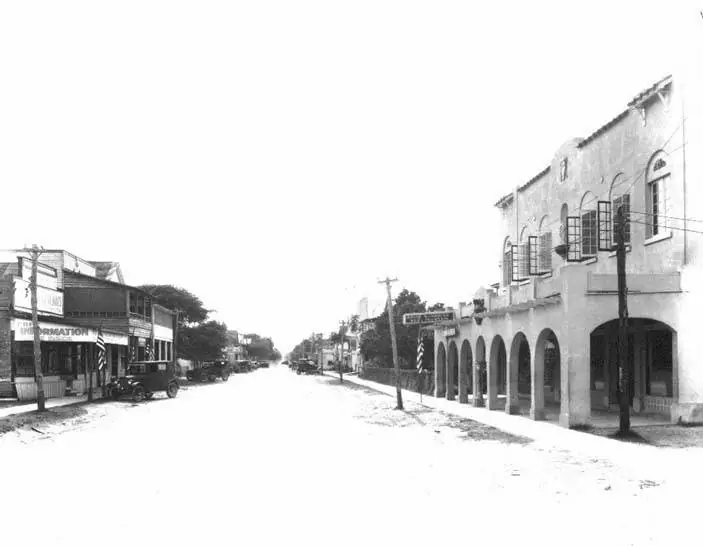
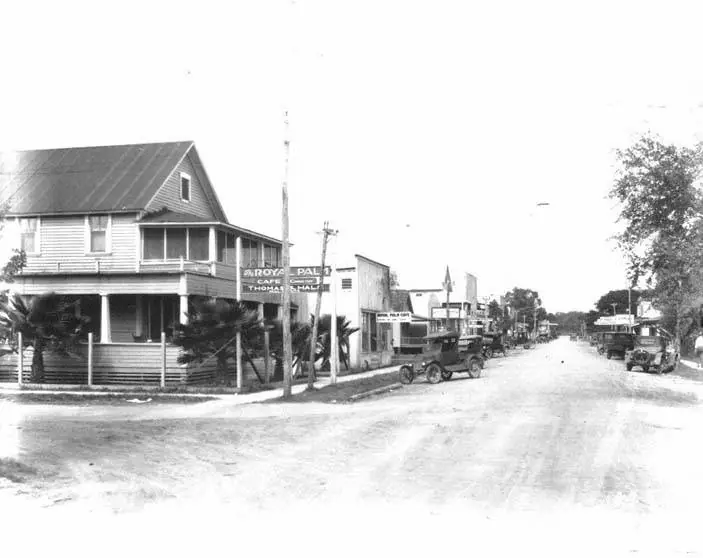
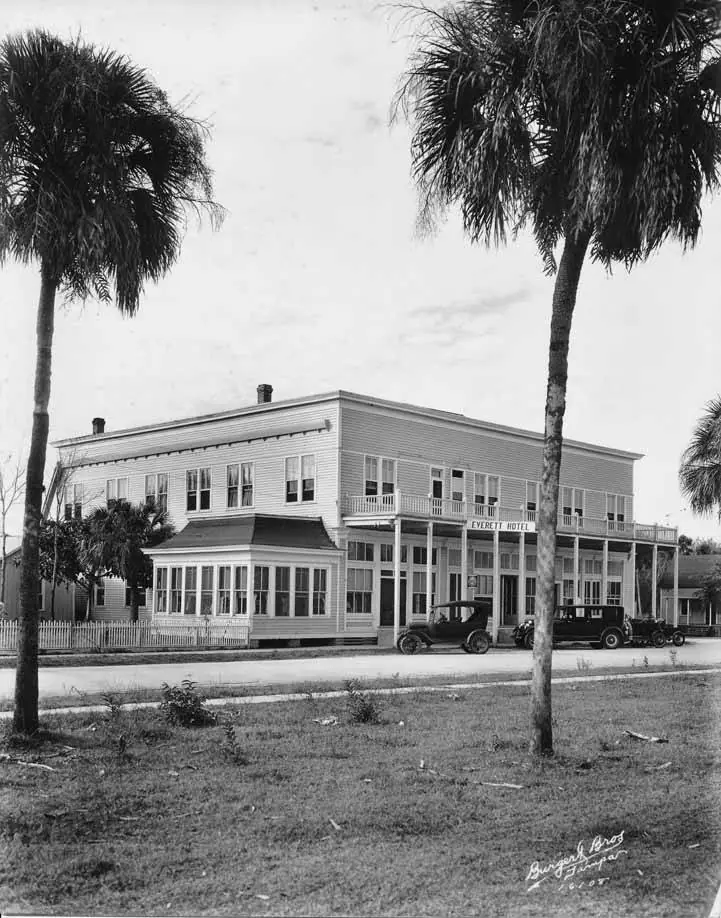
Main Street looking west · November 13, 1925Photo: Burgert Brothers · Courtesy, Tampa-Hillsborough County Public Library. · Public Domain Mark · Details The railroad arrives
Rail service starts in mid-1927, according to the National Register history, section E, page 7.
A courthouse opens*
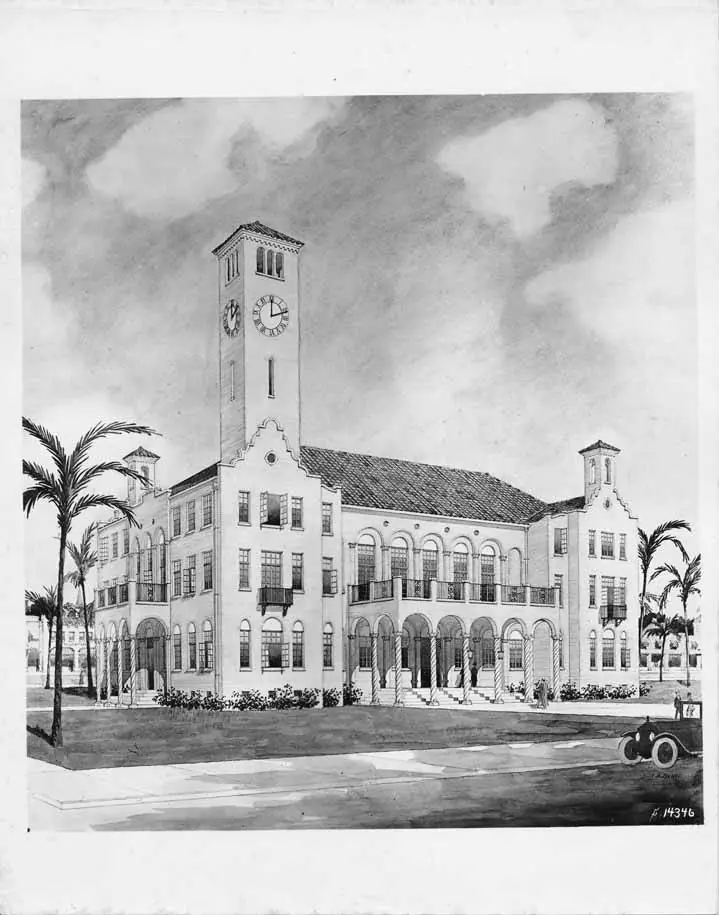
The courthouse is occupied in May, according to its National Register nomination.
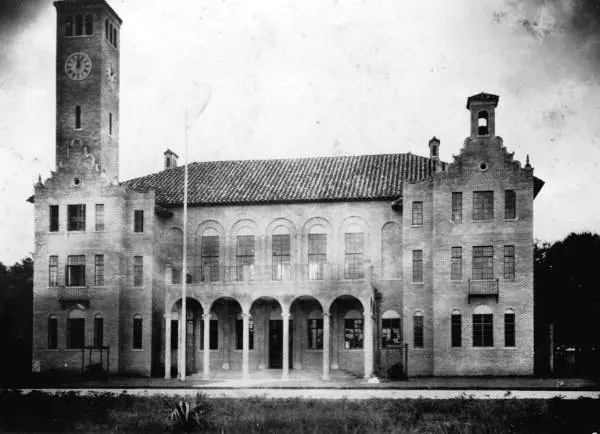
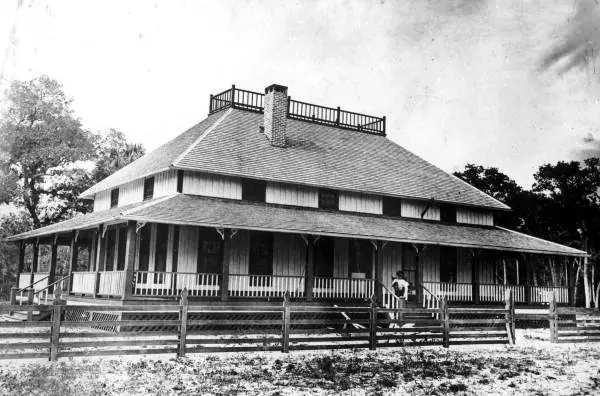
The new Hendry County Courthouse · archive date circa 1926Photo: Photographer unknown · State Archives of Florida, Florida Memory · Public Domain Mark · Details Fire reshapes downtown
Many early buildings are lost. Survivors help tell the historic district’s story today.
Main Street designation
LaBelle joins the state’s downtown preservation program. Florida Department of State announcement.

* A note on the sources: 1895 and 1909 refer to different milestones in the available accounts. The state marker credits Hendry’s 1895 townsite. The City history credits Hendry with a 1909 recorded plat, while the City downtown plan, page 9 attributes the first recorded plat on November 1, 1909 to Goodno. We retain the two dates without assigning a single uncontested founding year.
* A note on the sources: The City history calls Hendry the “Father” and Goodno the “Godfather” of LaBelle. The state marker uses “Father of LaBelle” for Goodno. This guide describes their respective contributions instead of choosing one title.
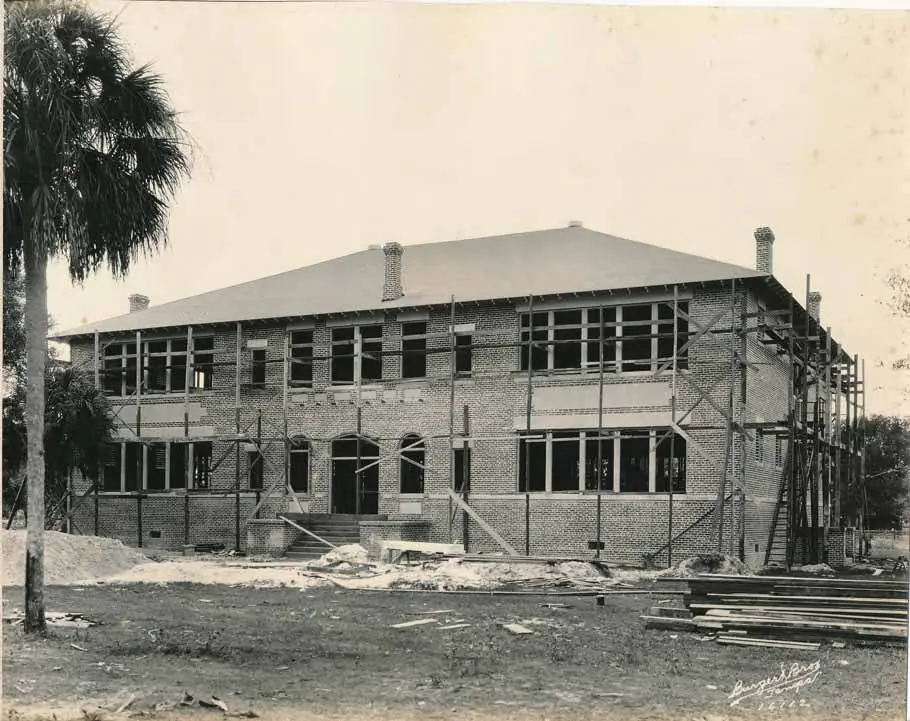
* A note on the sources: Some summaries give 1926 as the construction year. The National Register nomination says work began in late 1925 and the building was occupied in May 1927; NPS metadata lists 1927 as a significant year. We use the documented opening milestone.
History you can visit
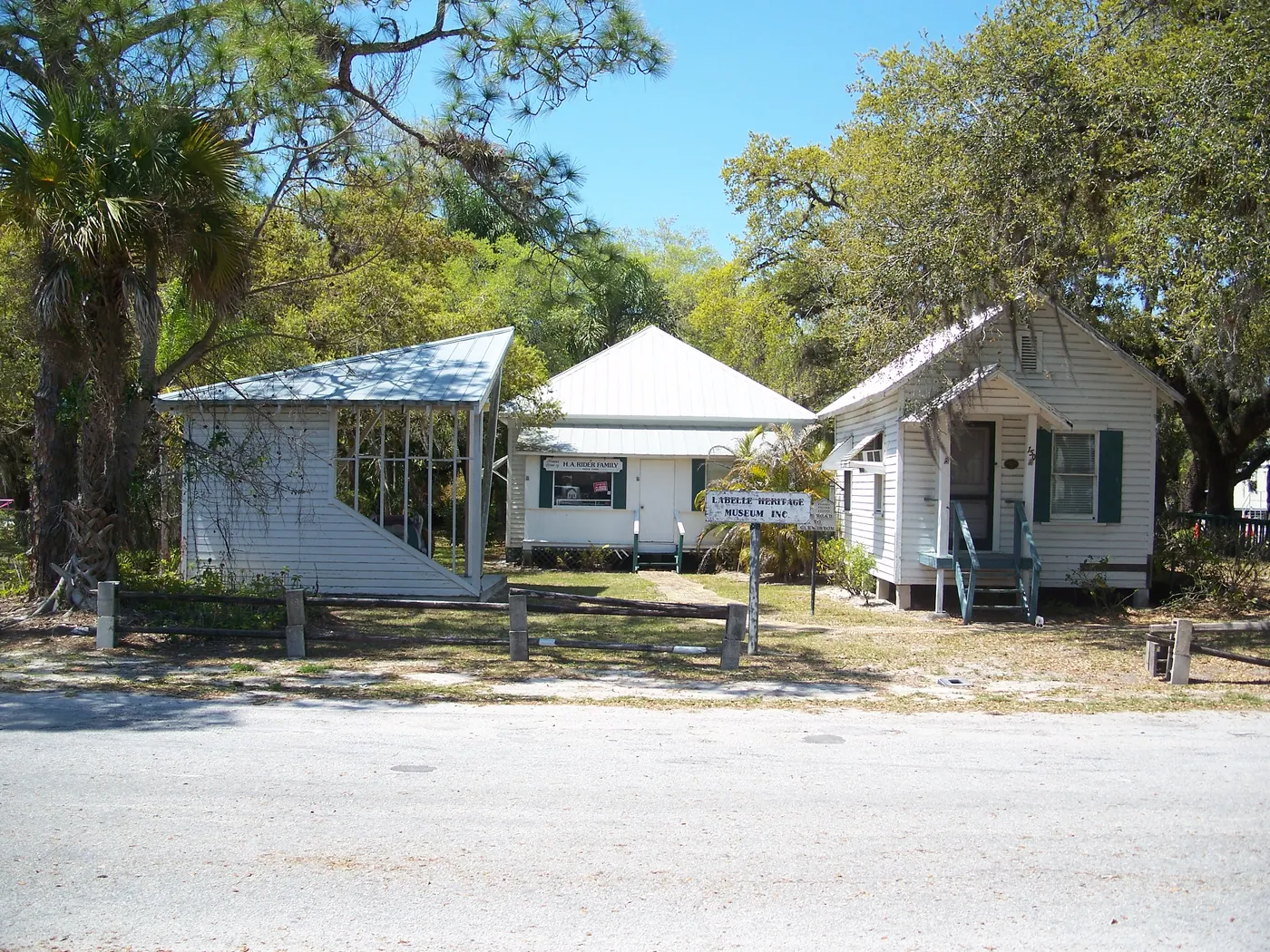
Find the downtown historical marker at Park Avenue and Bridge Street, look for surviving early storefronts, and explore the LaBelle Heritage Museum. The old courthouse stands at Bridge Street and Hickpochee Avenue. Confirm access and museum hours before setting out.
Places: Florida Historical Marker Program, National Park Service, and VISIT FLORIDA.
Explore downtown & the walking tour ↗Follow a story a little farther.
The buildings that stayed
Fire, storefronts, and a walking tour with local voices.
Take a look →When the river was the road
Mail boats, freight, and the changes roads and rail brought.
Take a look →For the traditional naming account and alternative explanation, see the City’s historical downtown plan, page 9. These are attributed accounts, not a newly established naming record.
History, still standing.
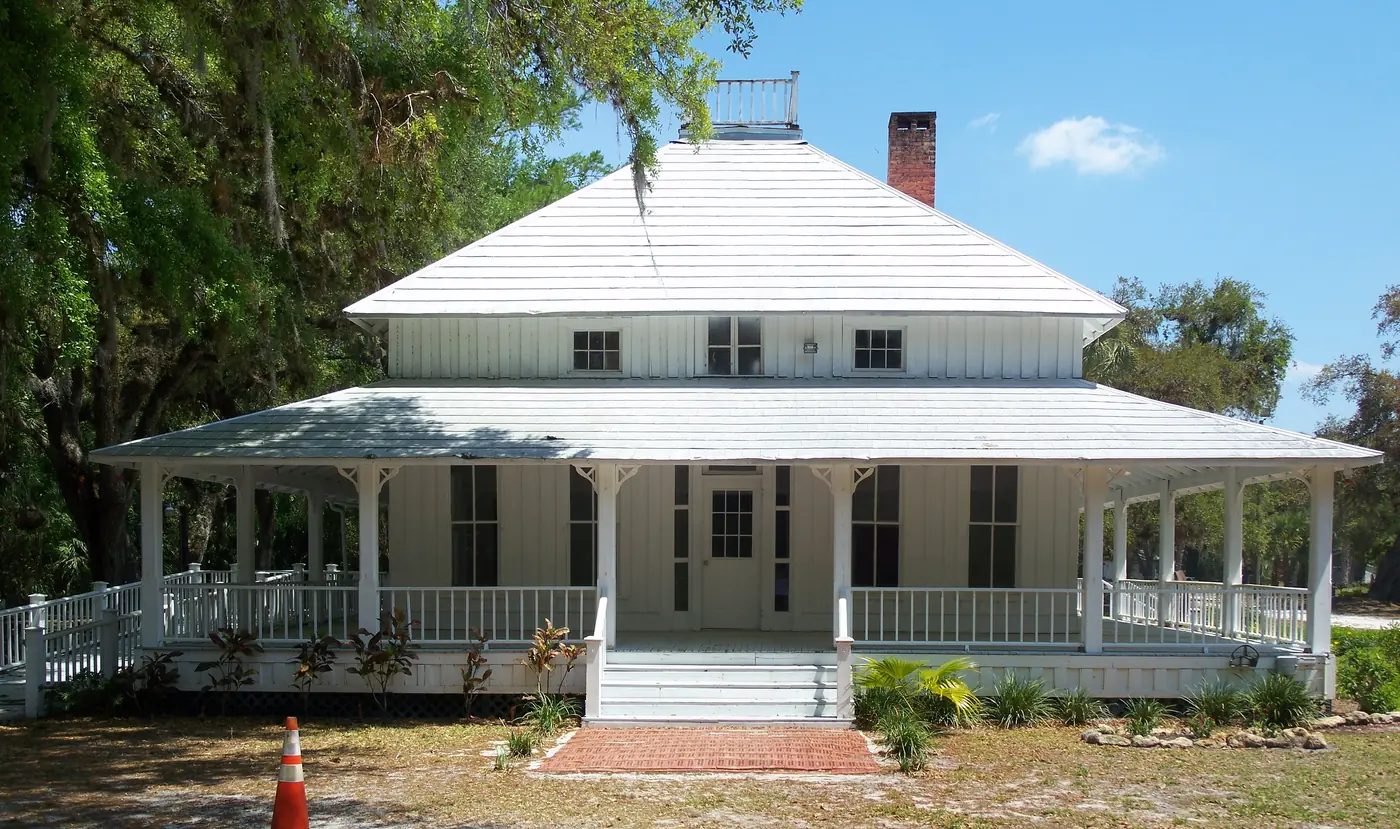
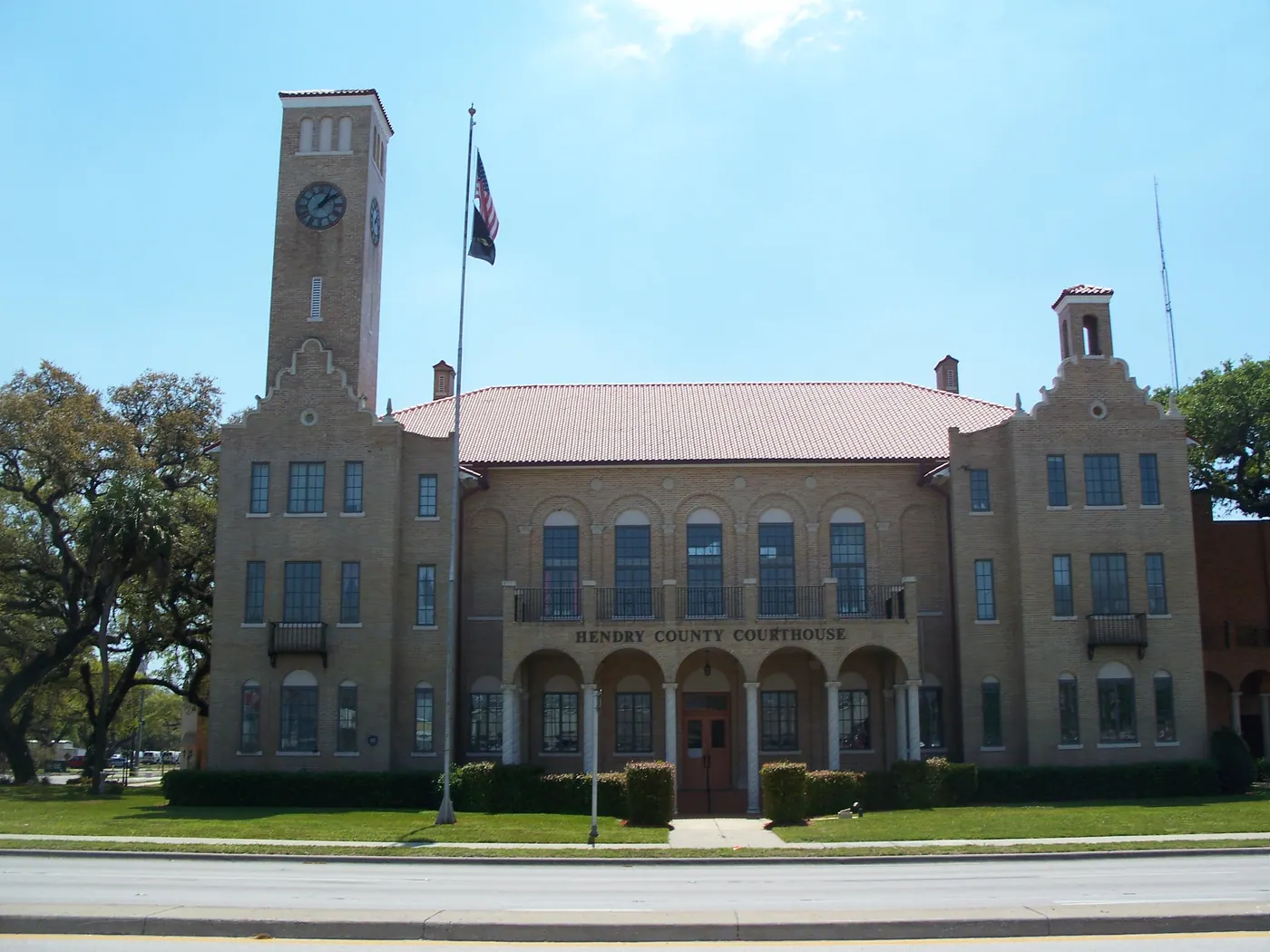
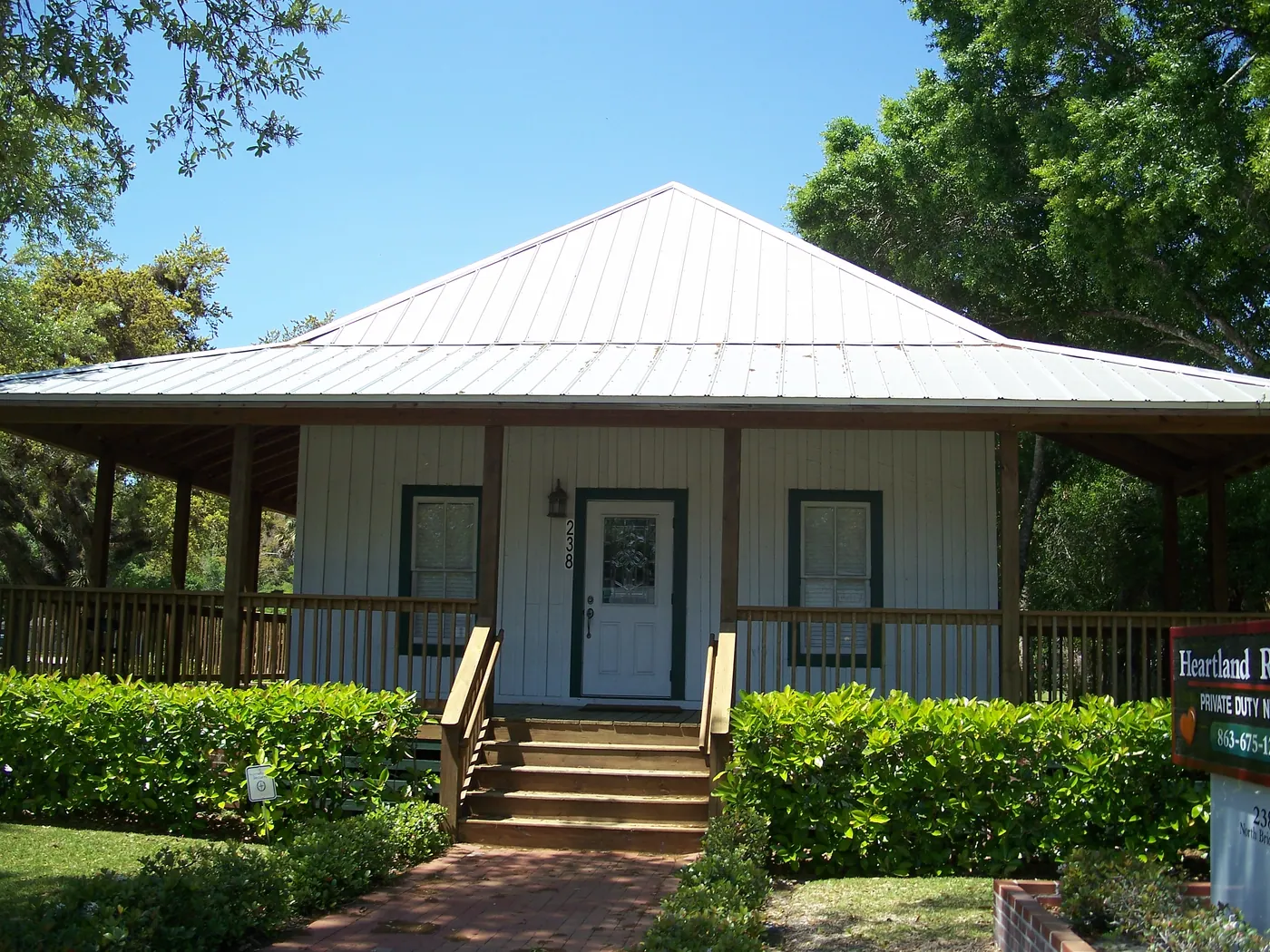
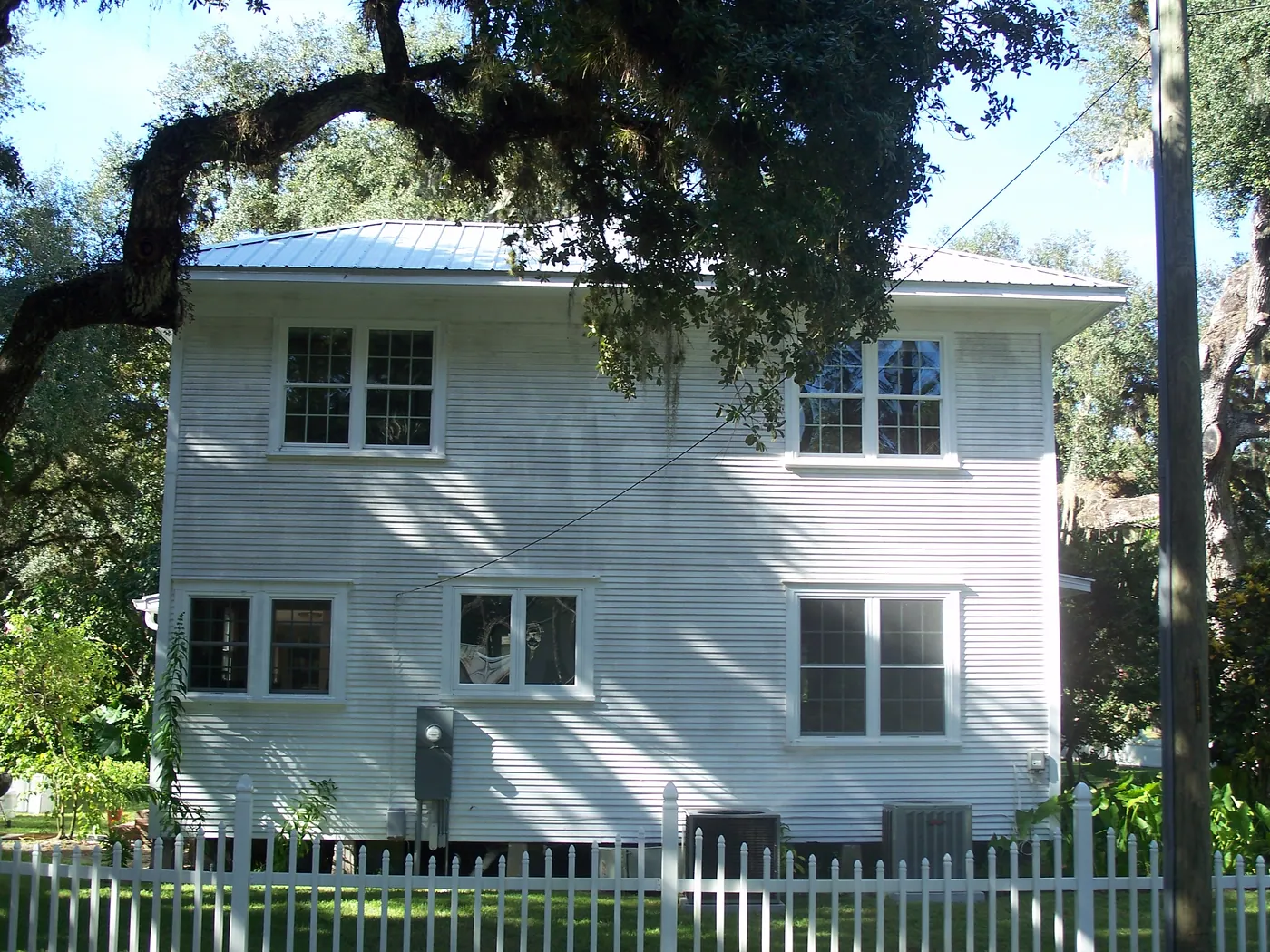
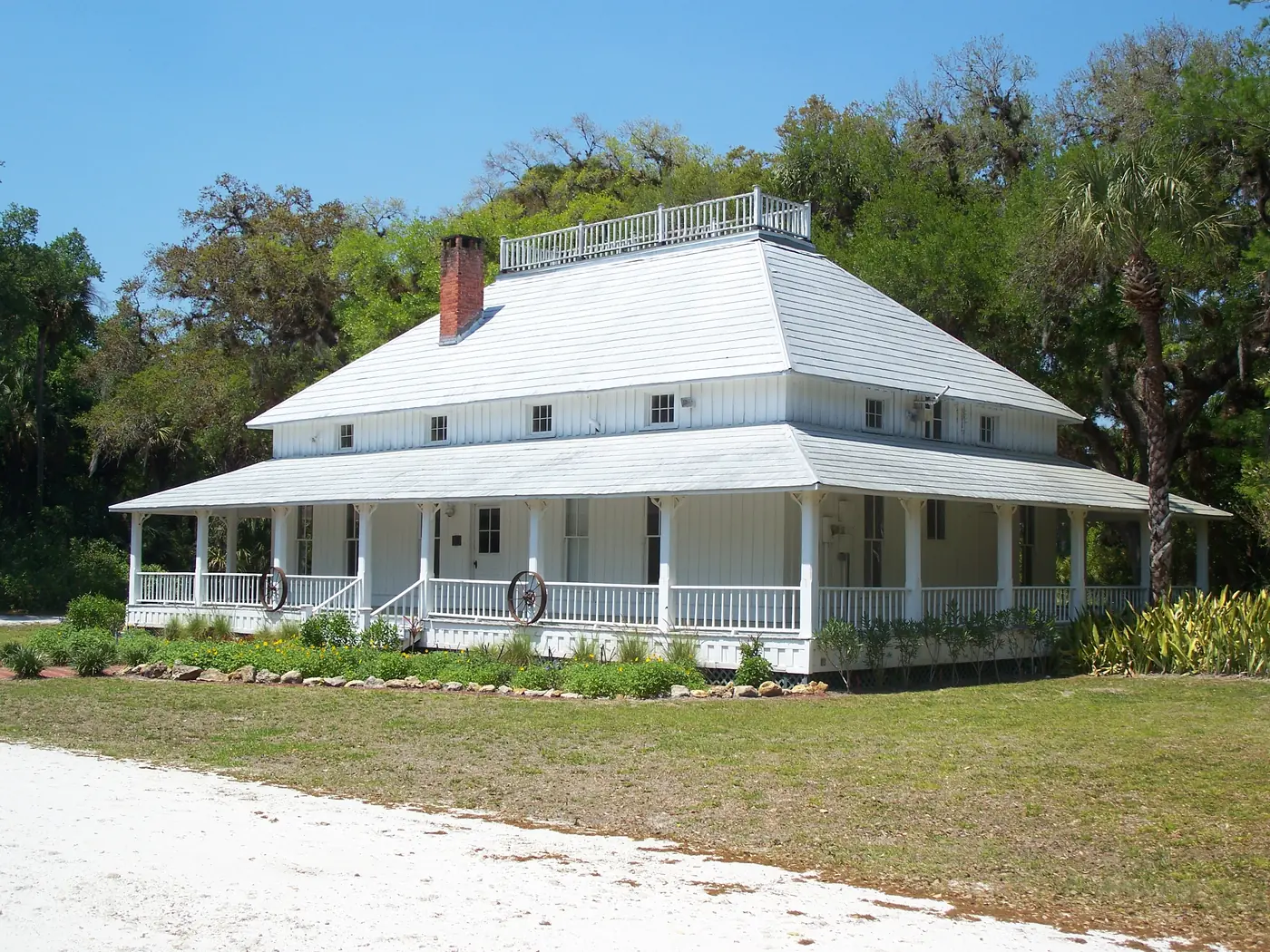
Earlier views of LaBelle’s buildings, photographed in 2010. Present-day appearances and access may differ.
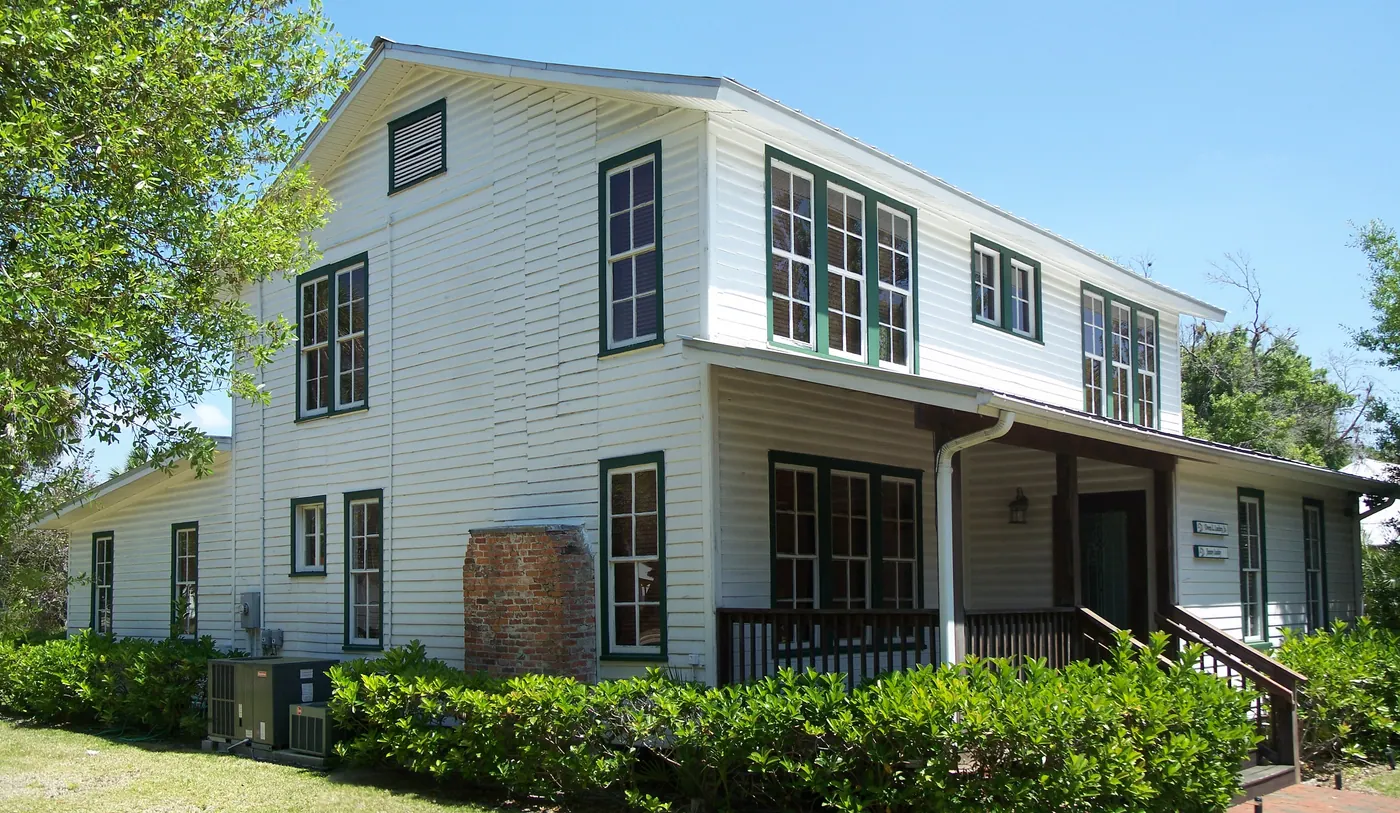





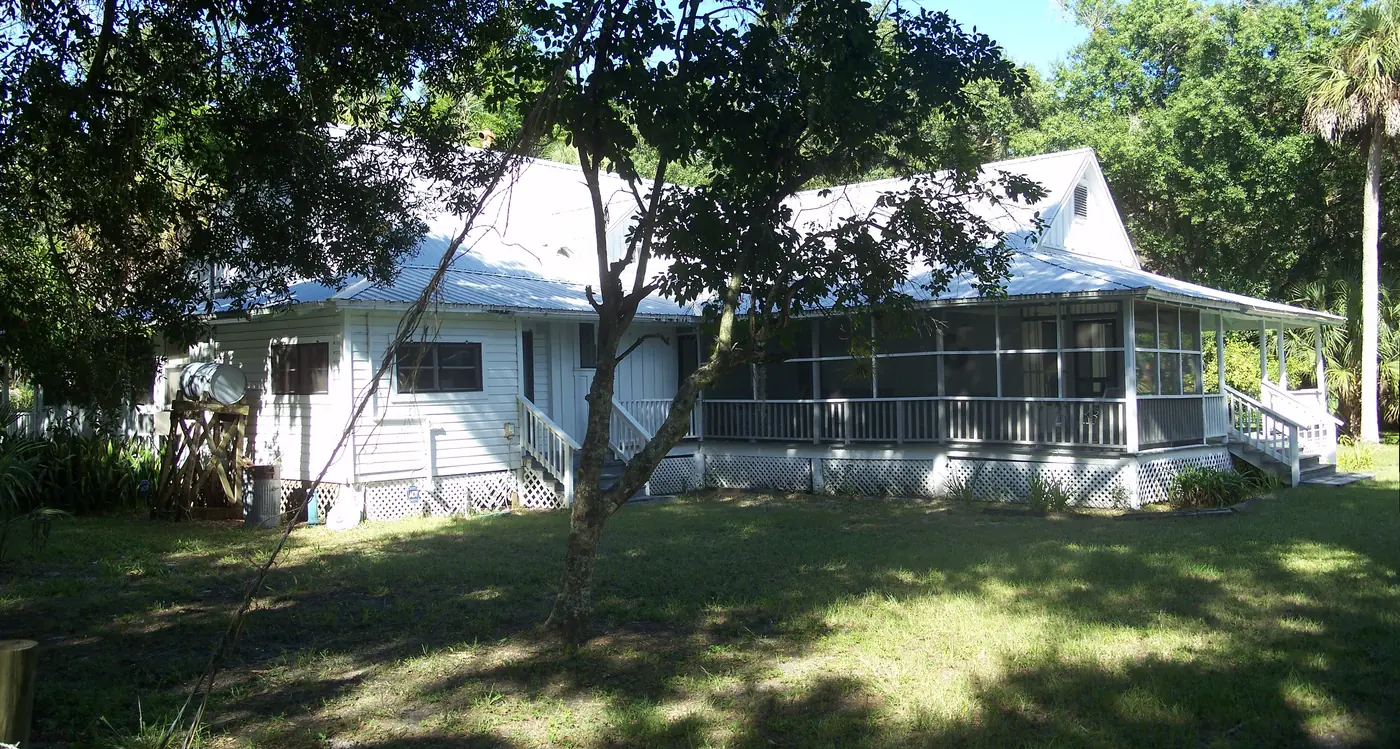

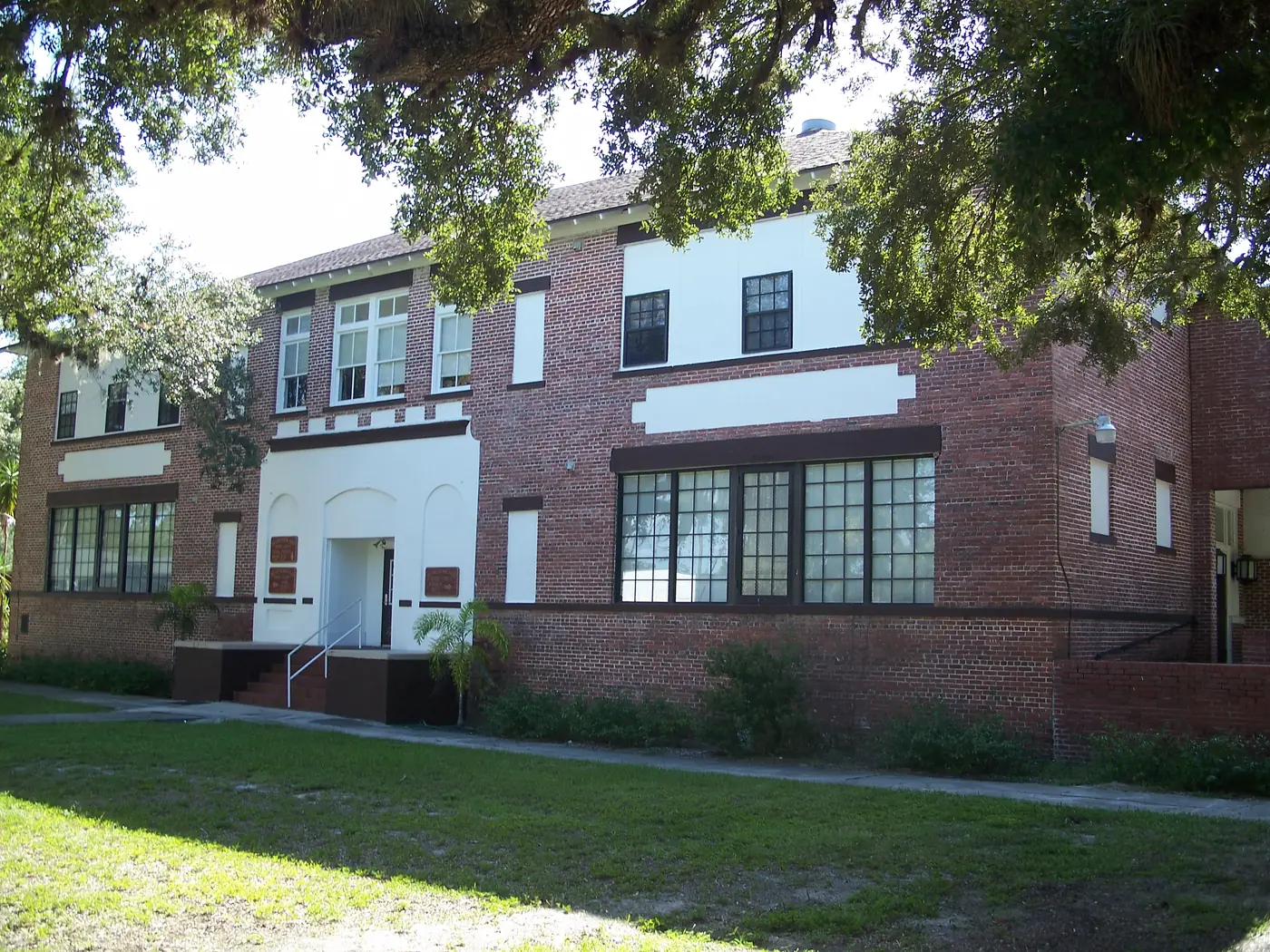

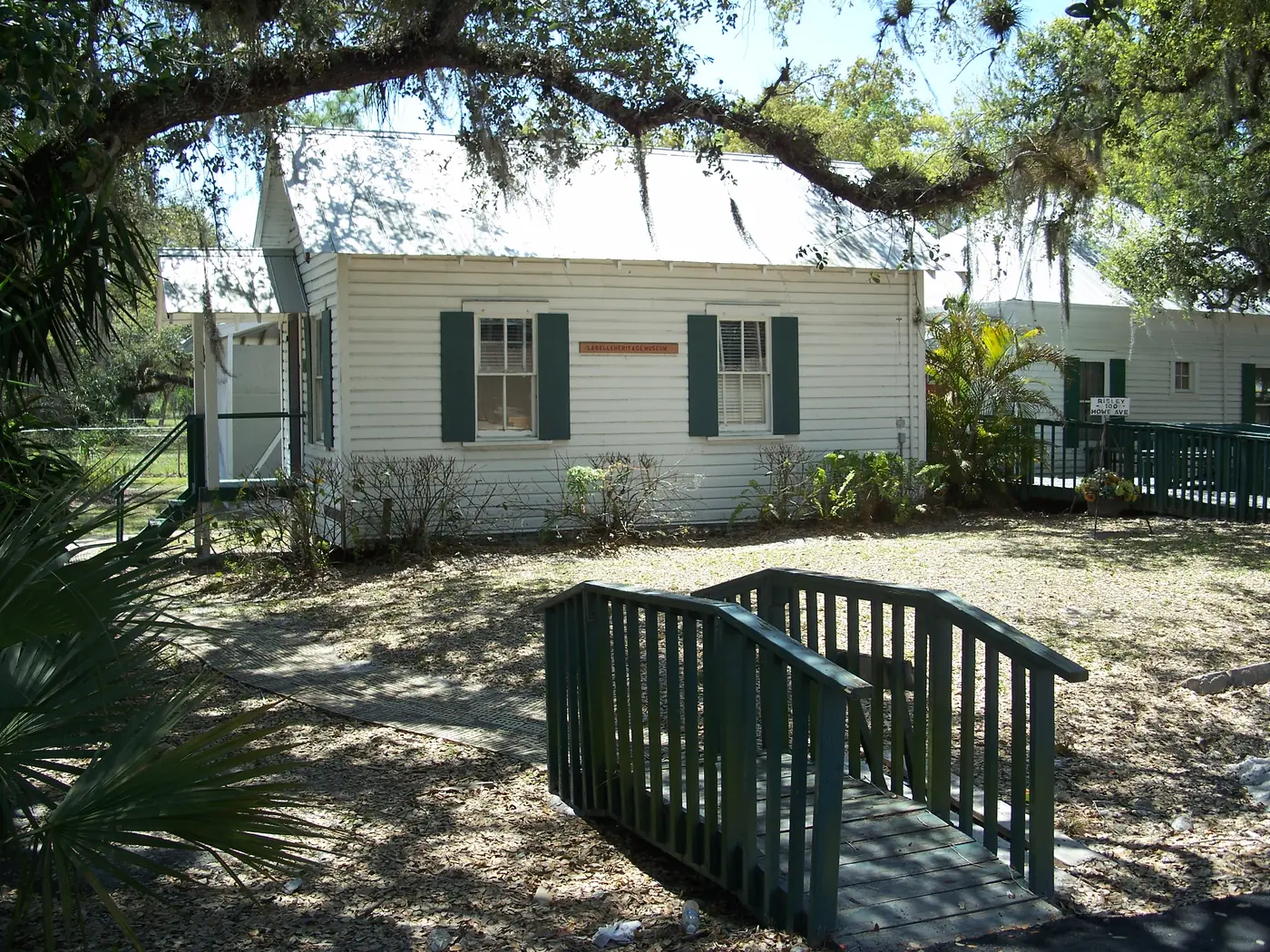

LaBelle, a century ago.
Public-domain photographs from the Burgert Brothers collection and the State Archives of Florida. Titles and dates follow each archive’s record; the scans are small, so they are shown at modest sizes.